
Music has always reflected the culture, traditions, and everyday life of the places from which it emerges.
Tequila, Mexico’s most iconic spirit, shares that same connection. For generations, it has been enjoyed alongside music and embraced by artists and musicians around the world.
Many internationally celebrated songs feature tequila in their lyrics, titles, or stories. Exploring the history behind these songs reveals that tequila is far more than a drink—it is a cultural symbol deeply connected to moments of joy, celebration, love, and the stories of people’s lives.
In the second installment of our column series, we welcome Ikuma Hayashi, Chairman of the Japan Tequila Association, who has dedicated many years to promoting and sharing the culture of tequila.
This edition explores the relationship between tequila and music.
Through a collection of memorable moments from music history, discover how tequila became a spirit loved by people across generations and around the world.
Tequila and Music

Mexican Music and Tequila
Every category of spirit has its own history and culture, but few are as closely connected to music as tequila. Bruno Mars is widely known as an admirer of Clase Azul, while in Japan, several members of EXILE have demonstrated such a passion for tequila that they have attended Tequila Maestro courses. Some have also selected Clase Azul as a gift for the people most important to them.
Yet the relationship between tequila and music is far from a modern phenomenon. José Alfredo Jiménez, one of the most influential figures in Mexican music, wrote more than 1,000 songs—many of them classics of the ranchera genre. Tequila appears throughout his lyrics, time and again. Jiménez himself was also a devoted tequila enthusiast.
How Bing Crosby Introduced 100% Agave Tequila to America
In 1955, Herradura became one of the first 100% agave tequilas to be introduced to the American market. The man behind its importation was legendary singer Bing Crosby.
After discovering the exceptional taste of tequila while performing in Mexico, Crosby found himself unable to forget the experience. He eventually established his own company and began importing the spirit to the United States. His efforts helped introduce a new generation of musicians and American consumers to the distinctive character of 100% agave tequila.
The Global Hit “Tequila”
Then, in 1958, the American band The Champs released “Tequila,” a song that went on to become an international sensation. It reached No. 1 on the Billboard singles chart, and its instantly recognizable rhythm—followed by the unforgettable shout of “Tequila!”—captivated listeners around the world. The song also received extensive radio play in Japan, helping to introduce tequila to an even wider audience.
Remarkably, the song came about almost by accident. It was originally created as an instrumental interlude during live performances, allowing the vocalist to rest his voice. Saxophonist Danny Flores began shouting “Tequila!” between sections of the music, and the enthusiastic response from audiences transformed the simple idea into an enduring classic.
Although it was initially released as a B-side, the song became beloved around the world. Tequila, it seems, has always had a remarkable ability to find itself at the center of unforgettable moments.
Tequila Sunrise and the Rock Stars Who Made It Famous
In 1972, the Tequila Sunrise cocktail became a cultural phenomenon after Mick Jagger of The Rolling Stones was seen enjoying it during the band’s American tour.
It was within this atmosphere that the Eagles created their classic song “Tequila Sunrise.” Don Henley later recalled that he often needed the courage provided by a glass of tequila before approaching a woman. The spirit had once again become intertwined with the emotions, stories, and creative energy of a generation.
A Cultural Legacy That Lives On in Modern Music
In 2026, Bad Bunny achieved a historic milestone with his album Debí Tirar Más Fotos, becoming the first artist to win the Grammy Award for Album of the Year with an entirely Spanish-language album.
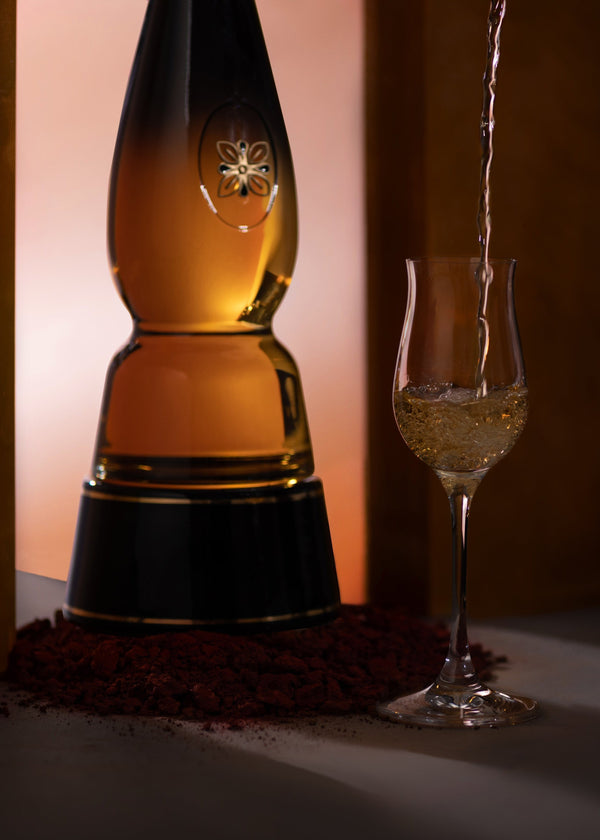
My initial impression of Bad Bunny was that he represented a contemporary reinterpretation of the music of legendary musician Willie Colón. Shortly after Bad Bunny’s Grammy victory, Colón passed away. Seeing Bad Bunny express his profound respect for the artist—and later celebrate his achievement with Clase Azul Gold—gave me an even deeper appreciation for his artistry. The fact that he chose Gold felt especially fitting.
Across generations and beyond national borders, tequila has continued to accompany some of the world’s most influential musicians. Even today, it remains close to those who create, perform, and simply love music.
Tequila is not only a spirit for musicians. It is a spirit for everyone who finds meaning, connection, and joy through music.
About the Author
Ikuma Hayashi
Born in Tokyo in 1968, Ikuma Hayashi studied filmmaking at California State University. After returning to Japan, he worked in film production for major studios, including 20th Century Fox.
Through opportunities to share tequila with internationally renowned figures such as Sean Connery, George Clooney, and filmmaker Takeshi Kitano, Hayashi became fascinated by the spirit’s remarkable depth and began exploring tequila culture in earnest.
He has since visited more than 100 tequila distilleries and founded the Japan Tequila Association upon returning to Japan.
His Tequila Maestro certification course has earned widespread recognition among professional bartenders and tequila enthusiasts alike.
Hayashi also serves as a judge for leading international spirits competitions, including the Concours Mondial de Bruxelles. Since the inaugural Tokyo Whisky & Spirits Competition in 2019, he has served as a member of its executive committee.
He is also an advisor to the Japan Mezcal Association and the author of The Complete Guide to Tequila, published by Kosaido Publishing.
In addition to presenting seminars at venues including the Embassy of Mexico, Hayashi has appeared extensively across television, newspapers, magazines, and other media.




テキーラの奥深い世界を探求するマガジン
Tequila
Mastery

林 生馬コラム Vol.003
「テキーラの涙 - ラグリマに秘められた魅力 -」

Ikuma Hayashi Column Vol. 002
“The Relationship Between Tequila and Music”

Ikuma Hayashi Column Vol.001
Why Are Tequila Bottles So Beautiful? The Culture and Tradition Behind Tequila Bottles

Limited-Edition Journey Vol. 2: “Memory (Recuerdos)” and Pink Edition 2025 — Two First Bottles to Choose for Your Debut

限定品ジャーニーVol.1:「クラセアスール限定品の深い魅力-コレークターズ・アイテムとは?」
テキーラ「ゴールド」と「シルバー」の違いは?— 味わい・製法・選び方を解説
「テキーラのアルコール度数」熟成がもたらす香りの深み | ショットだけでは語れない。お洒落な飲み方も

